Campus Locations
Khoury College offers programs at nine Northeastern locations
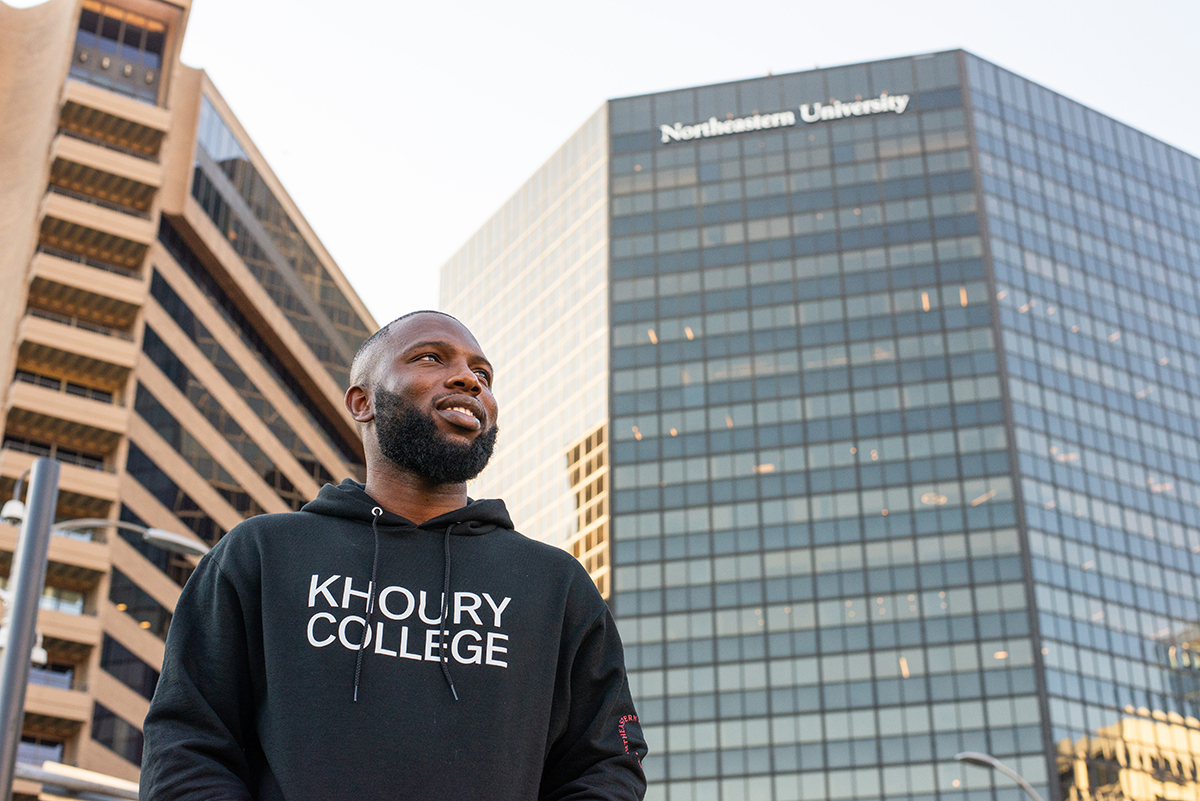

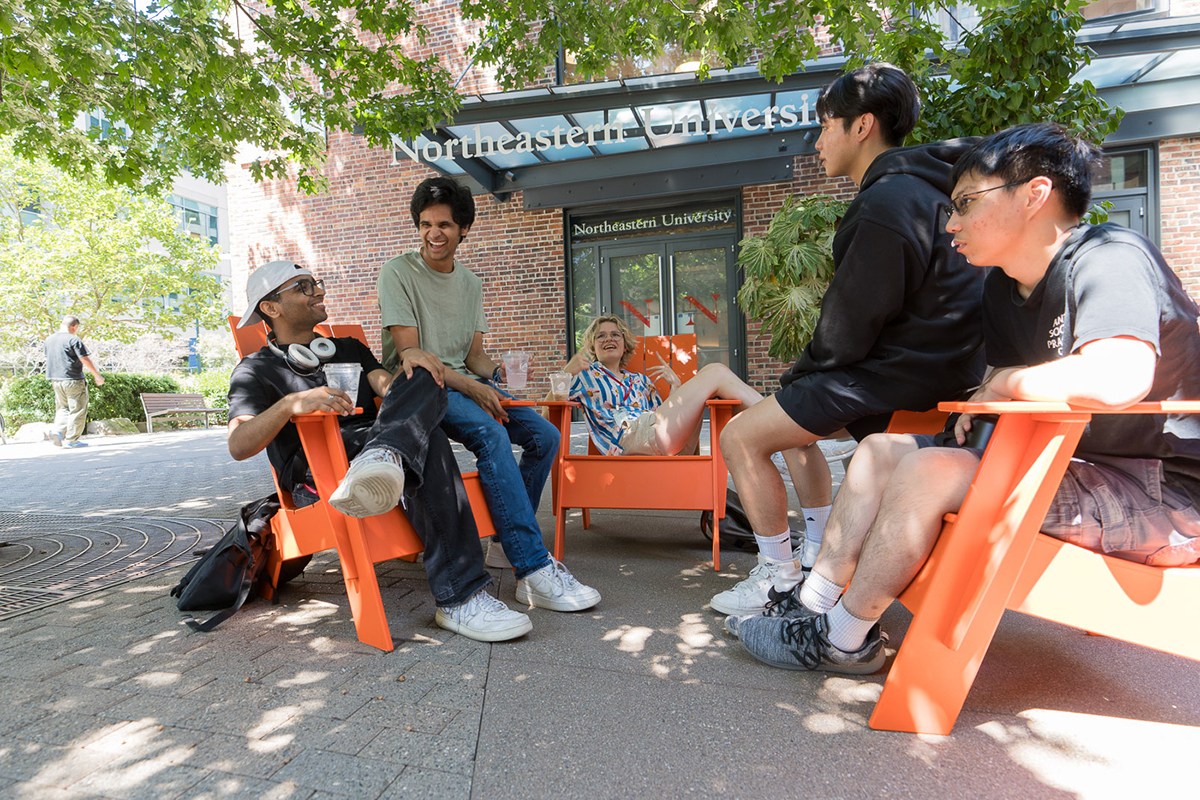
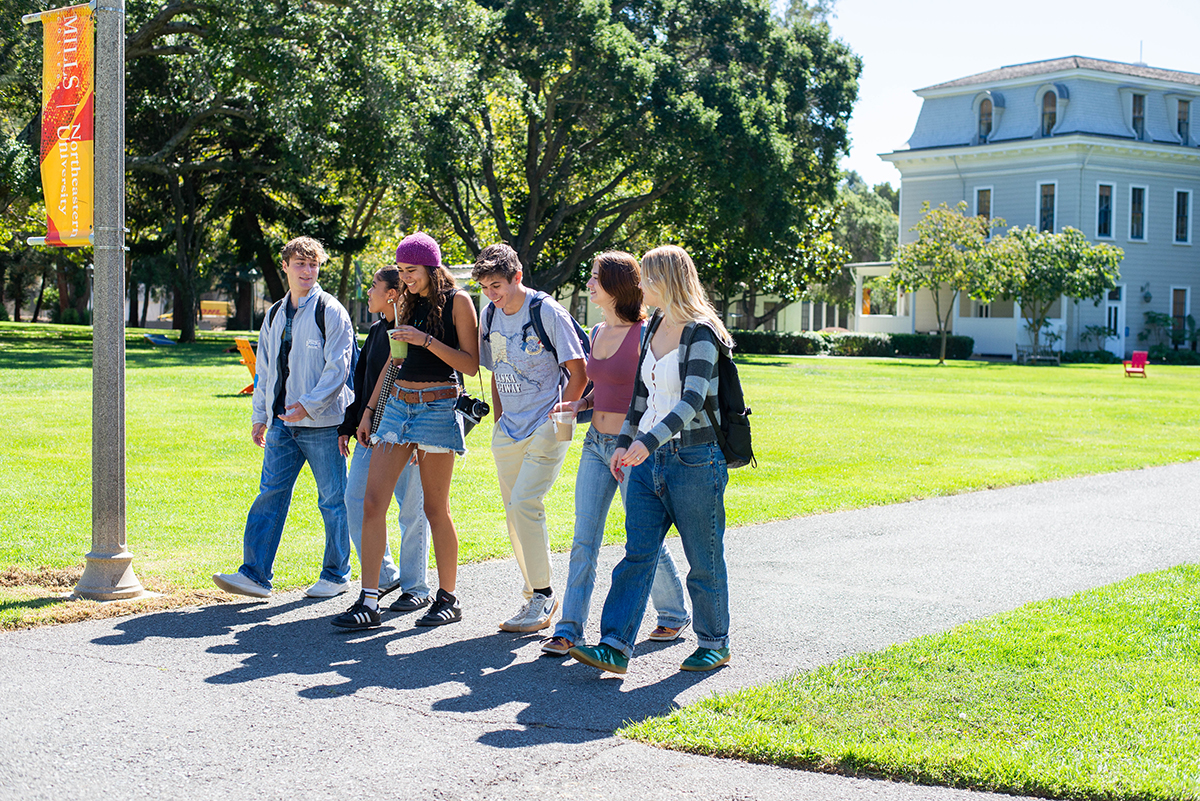
Khoury College offers academic programs at nine of Northeastern’s 14 global network campuses — Boston, Arlington, London, Miami, Oakland, Portland (Maine), Seattle, Silicon Valley, and Vancouver — each located in a technology hub near industry leaders and Khoury partners, and each offering distinct focus areas and opportunities.
Master’s programs are available at eight of these locations. Undergraduate degrees are offered in Boston and Oakland, with semester-long study options in Seattle, London, and Oakland, as well as additional global learning opportunities throughout your journey.
Beyond developing or expanding your knowledge of computer science, you’ll be part of creating and implementing solutions to real, community-based issues wherever you land. Join a hackathon in Boston, take on a banking or finance internship in London, tap into Silicon Valley’s tech scene — each campus provides leading and experiential CS opportunities that match your interests while contributing to local community and business needs.
Support and opportunity, wherever you choose to go
Students and faculty describe Khoury College’s network as one connected community with no walls or borders, providing support and pathways for a lifetime of growth and success. Students who’ve moved across the network say it sharpened what they want out of their education and career; faculty say their opportunities to work and teach across campuses and beyond result in collaboration that sharpens their careers and research, as well.
Studying across the network: What Khoury students say

Khoury College locations
-
Boston
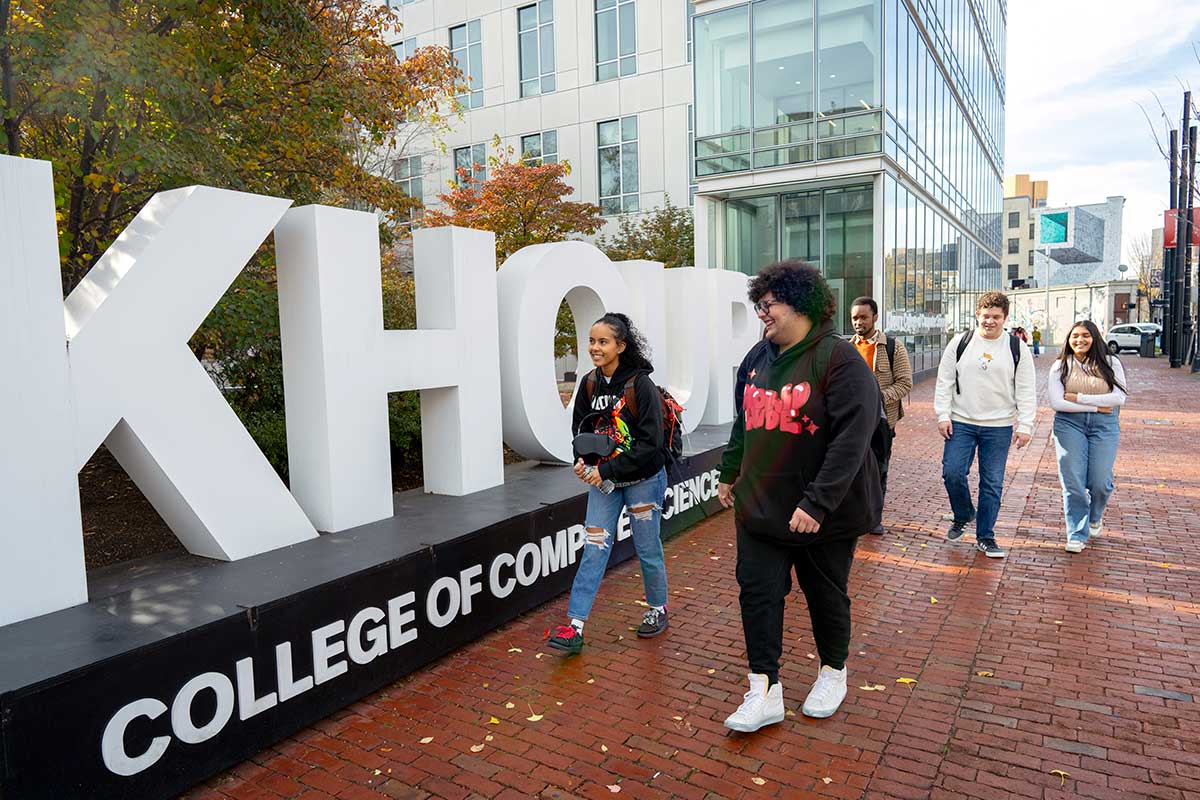
Located in the heart of Boston, Northeastern’s oldest campus is home to a vibrant community of students, researchers, and faculty working across disciplines to build a better world through CS.
-
Arlington
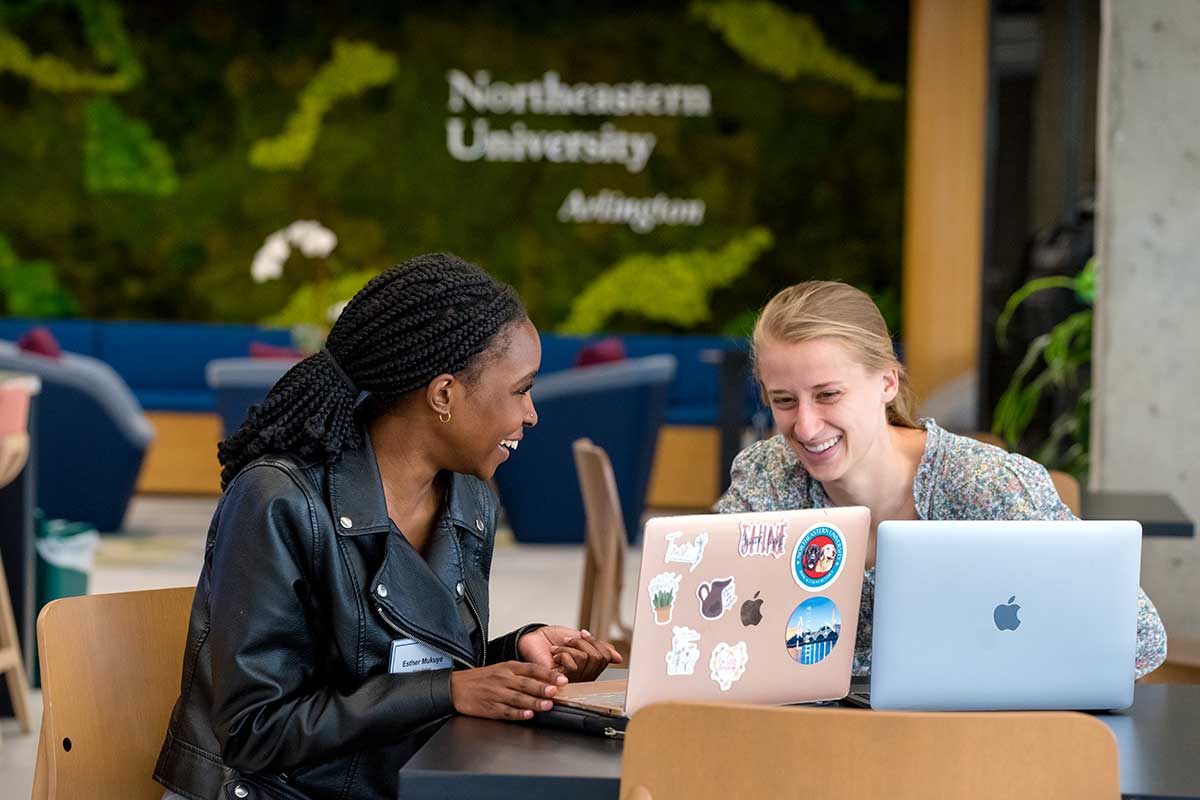
The tech hub of the National Capital Region, Arlington offers rich opportunities with thriving companies such as Amazon and Microsoft.
-

London
From its renowned financial industry and thriving technology companies to its unique cultural offerings, London provides an unparalleled global perspective for your CS journey.
-

Miami
Miami is a bold and creative city — the perfect place to push the boundaries of tech. Come find out what’s possible here.
-

Oakland
Tech companies in Oakland benefit from a diverse and creative local ecosystem with easy access to Silicon Valley resources — providing a massive opportunity for CS education and research.
-

Portland
The collaborative nature of Northeastern’s Roux Institute in Portland connects students with corporate and governmental power players across the Northeast, and beyond.
-

Seattle
The Seattle campus partners with industry, government, and academia to bring programs in high-growth fields to the Pacific Northwest — becoming a valuable part of the region’s economy in the process.
-

Silicon Valley
Located in the heart of the tech revolution (and where it began), the San Jose campus offers students the opportunities to advance the CS field in a program known for industry connections and diverse work opportunities.
-

Vancouver
Vancouver students gain skills and explore partnerships within a regional network that offers experiential and professional opportunities in leading-edge sectors such as AI, e-commerce, financial technology, and more.
Meet our campus directors
-
Gary Cantrell
Associate Teaching Professor, Director of Computing Programs – Portland
Gary Cantrell is an associate teaching professor and director of computing programs at Khoury College in Portland. He is interested in computer science and digital forensics, and prior to joining Northeastern, he founded the Dixie State University Computer Crime Lab.
-
Bethany Edmunds
Teaching Professor, Associate Dean of Computing Programs – West Coast
Bethany Edmunds is a teaching professor and associate dean of computing programs, West Coast at Khoury College. She is passionate about breaking down barriers to create greater diversity, access and inclusivity within the technology community.
-
Gabriela Gongora-Svartzman
Associate Teaching Professor, Director of Computing Programs – Miami
Gabriela Gongora-Svartzman is an associate teaching professor at Khoury College and the director of computing programs for the Miami campus. She seeks to leverage her leadership skills and strong Miami connections to build partnerships, recruit diverse faculty and staff, and welcome new students.
-
Alan Jamieson
Teaching Professor, Associate Dean of Computing Programs – East Coast
Alan Jamieson is a teaching professor at Khoury College of Computer Sciences at Northeastern's Portland campus and in the Roux Institute at Northeastern University, as well as associate dean of computing programs, East Coast. In addition to his research into algorithms and combinatorial graph theory, Jamieson also studies broadening participation in computer science.
-
Bruce Maxwell
Teaching Professor, Director of Computing Programs – Seattle
Bruce Maxwell is a teaching professor and director of computing programs at Khoury College in Seattle. His teaching and research encompass computer vision, computer graphics, robotics, machine learning, AI, and data science.
-
Logan Schmidt
Associate Teaching Professor, Director of Computing Programs – Vancouver
Logan Schmidt is an associate teaching professor at Khoury College, and the director of computing programs for Northeastern's Vancouver campus. He is a graduate of the Align program himself, and in both his research and teaching work he aims to introduce newcomers to computer science fundamentals in a way that helps them effectively build new careers.
-
David Ayman Shamma
Professor of the Practice, Director of Computing Programs – Oakland
David Ayman Shamma is the director of computing programs and a professor of the practice at Khoury College, based in Oakland. His research focuses on human-centered AI, HCI, and machine learning, with the goal of building supportive, scalable systems and technologies that amplify people in their work and everyday lives.
-
Huihui Wang
Teaching Professor, Director of Computing Programs – Arlington
Huihui Wang is a teaching professor at Khoury College, and a director of computing programs for the Arlington campus. Her research examines challenges and opportunities for computing education in the third wave of artificial intelligence, and she enjoys helping students without undergraduate CS degrees to thrive in her computing foundations courses.
-
Ilmi Yoon
Teaching Professor, Director of Computing Programs – Silicon Valley
Ilmi Yoon is a teaching professor at Khoury College, and a director of computing programs at the Silicon Valley campus. As both a teacher with two decades of experience at San Francisco State and as a researcher studying human-centered AI, video accessibility, and socially responsible computing, Yoon focuses on engaging underrepresented and marginalized groups in computing and computing education.