-
Aleksey Veresov
PhD Student
-
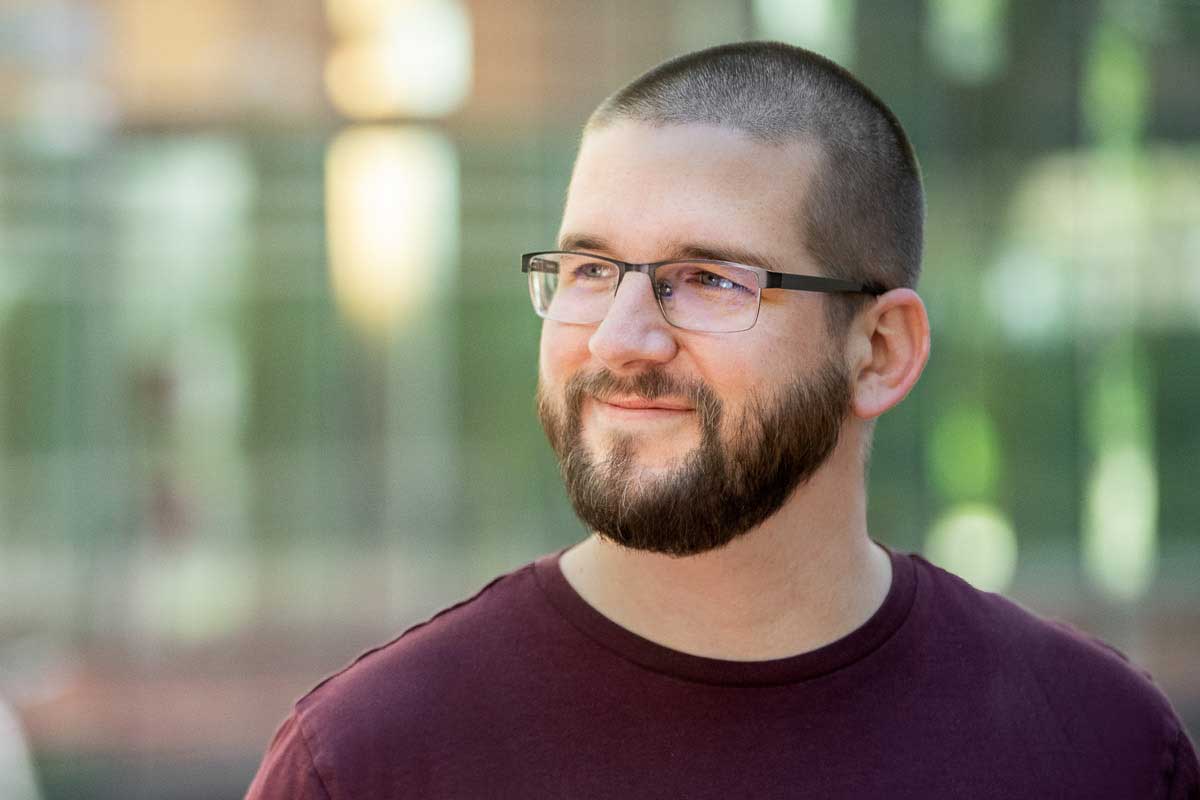
Ferdinand Vesely
Assistant Teaching Professor
Ferdinand Vesely is an associate teaching professor at Khoury College. His research and teaching focuses on programming, programming language semantics, and software development operating systems, and he also serves on the Khoury Undergraduate Committee.
-
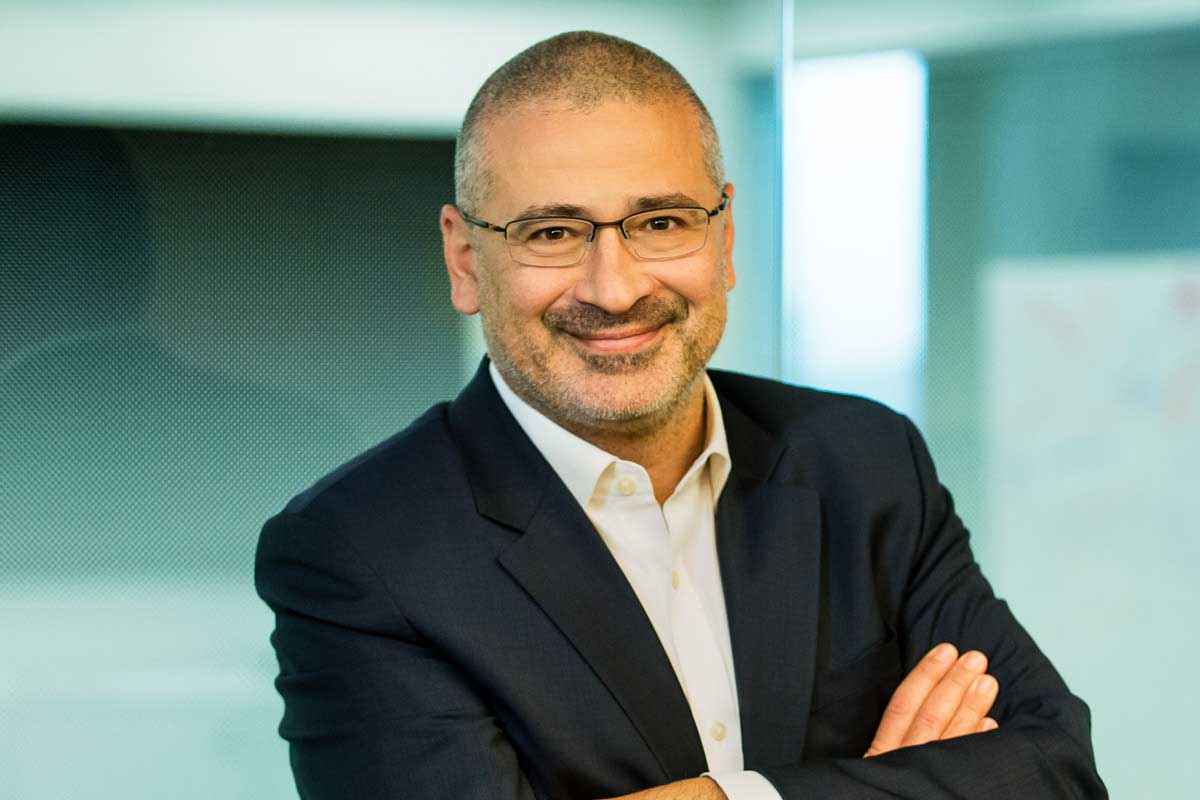
Alessandro Vespignani
Sternberg Family Distinguished Professor of Physics, Jointly Appointed with College of Science and Bouvé College of Health Sciences
Alessandro Vespignani is the Sternberg Distinguished University Professor, and an interdisciplinary appointee between Khoury College and the Bouvé College of Health Sciences. He uses statistical and numerical simulation methods to study the behavior of complex biological, social, and technological networks.
-
Wes Viles
Assistant Teaching Professor
-
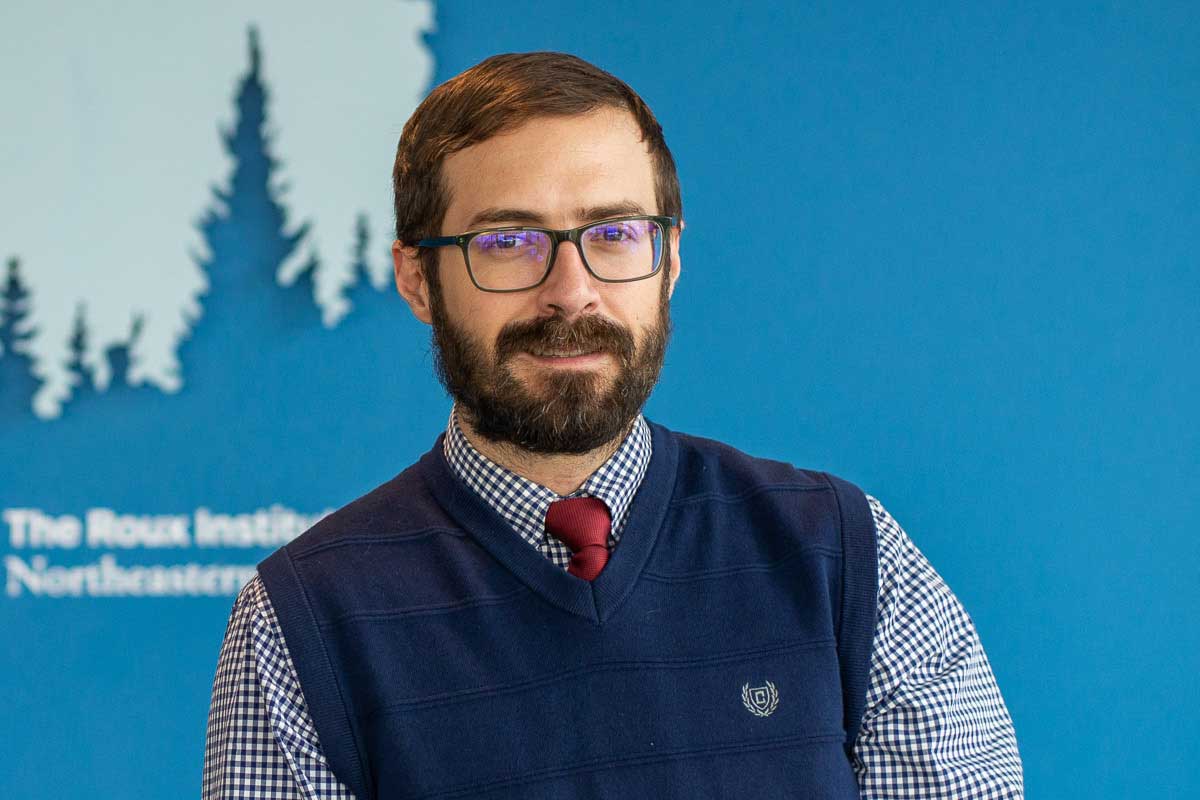
Emanuele Viola
Professor
Emanuele “Manu” Viola is a professor at Khoury College. Viola’s theoretical computer science research has included a wide variety of areas, including pseudo-randomness, cryptography, data structures, communication complexity, and circuit lower bounds. He has made fundamental contributions to the field, including solving long-standing open problems.
-
Olga Vitek
Raymond Bradford Bradstreet Professor, Director, Barnett Institute for Chemical and Biological Analysis
Olga Vitek is the Raymond Bradford Bradstreet Professor at Khoury College, and the director of the Barnett Institute for Chemical and Biological Analysis. Her lab, which has been recognized with multiple major awards, uses statistical science, machine learning, and large-scale mass spectrometry to understand the functioning of living organisms.
-
Tien Vo-Huu
Senior Research Scientist
-
Enea Vreka
Assistant Director of Operations
-
Truong Vu
PhD Student
-
Janmejay Vyas
PhD Student
-
Somin Wadhwa
PhD Student
-
Melodee Wagen
Director of Space, Operations, and Strategic Initiatives
-
Andrew Wagner
PhD Student
-
Cassidy Waldrip
PhD Student
-
Byron Wallace
Professor, Director of the BS in Artificial Intelligence Program, Senior Advisor - Artificial Intelligence (AI) Research
Byron Wallace is a professor and director for the undergraduate artificial intelligence program at Khoury College. He applies machine learning and natural language processing methods in the health informatics space, with the goal of developing hybrid human–AI systems and streamlining the synthesis of biomedical information.
-
Amber Walsh
Events Manager
Showing 16 of 858 results