-
Sofia Hirschmann
PhD Student
-
Rachel Hoffing
PhD Student
-
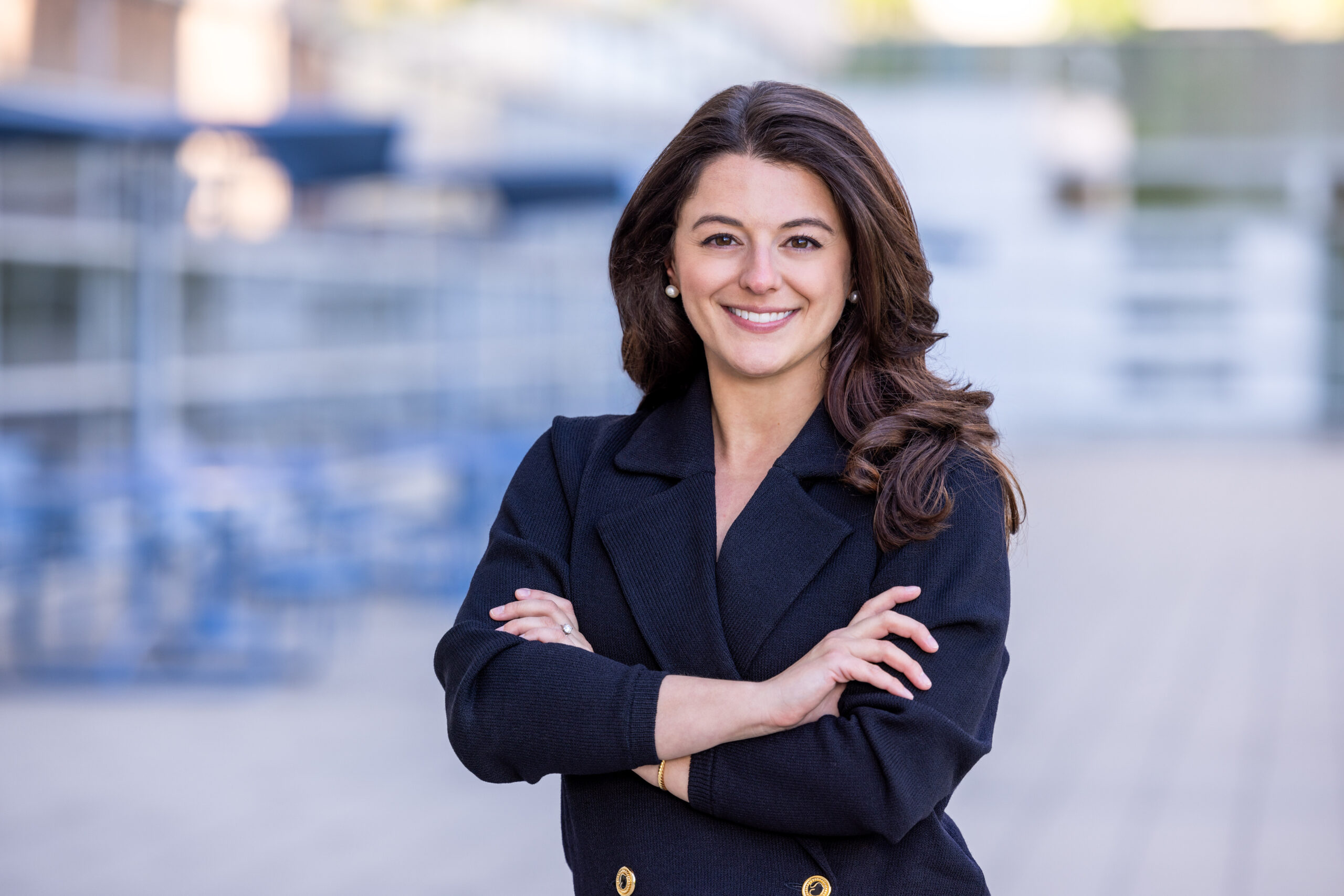
Ally Hoffman
Part-Time Lecturer
Ally Hoffman is a part-time lecturer at Khoury College and the assistant vice president of Risk, Surveillance, and Policy at the Federal Reserve Bank of Dallas. Her work focuses on cybersecurity governance and emerging technology risk in the financial sector.
-
Megan Hofmann
Assistant Professor, Jointly Appointed with College of Engineering
Megan Hofmann is an assistant professor at Khoury College. Her human–computer interaction and personal health informatics research often centers around the development and evaluation of accessible tools, including for people with disabilities.
-
Steve Holtzen
Assistant Professor
Steve Holtzen is an assistant professor at Khoury College, affiliated with the Programming Research Laboratory. His research aims to design fast, accessible, and useful probabilistic modeling systems for everyday reasoning tasks, and he teaches courses on artificial intelligence, programming languages, and machine learning.
-
Richard Hoshino
Teaching Professor
Richard Hoshino is a teaching professor at Khoury College focusing on discrete structures, algorithms, and AI. He owns the boutique math consulting firm Hoshino Math Services and is the youngest-ever recipient of the prestigious Adrien Pouliot Award for math education.
-
Timothy Howard
Academic Coordinator
-
Boce Hu
PhD Student
-
Yifan Hu
Professor of the Practice
Yifan Hu is a professor of the practice at Khoury College. He researches the interdisciplinary intersections of information visualization, AI, machine learning, and natural language processing, questions to quick he brings three decades of industry experience.
-
Jiaji Huang
Part-Time Lecturer
Jiaji Huang is a part-time lecturer at Khoury College, and a senior applied scientist with Amazon Web Services’ machine learning algorithm team. His research explores large language models with human preferences, speech recognition, and language models.
-
Zhuoran Huang
PhD Student
-
Haojie Huang
PhD Student
-
Lunjia Hu
Assistant Professor
-
Aaron Hunter
Part-Time Lecturer
-
Julia Husar
PhD Student
-
Seth Hutchinson
Professor, Jointly Appointed with College of Engineering
Seth Hutchinson is a professor at Khoury College. His research into ways to make robots smarter and more capable spans three decades and more than 300 publications.
Showing 16 of 835 results