Homework 2 · the gallery
The Art of the Game







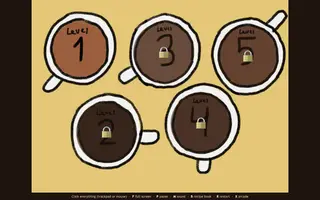



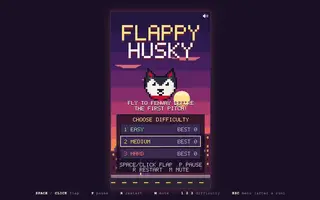




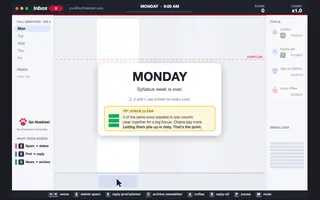







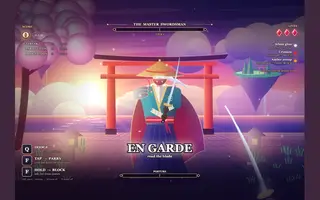








Fifty games, made in a fortnight by students who do not write code — and, first on the shelf, the one their instructor built the same way. Every one of them is a single file you can open and play right now.
An AI can produce a working game in about ninety seconds. What it cannot do is decide what the game should be about — what the player wants, what stands in the way, what it should feel like to lose. Those are design decisions, and design is the part of this that is still entirely human.
So that is what the assignment asked for. Not a programming exercise: a creative one. Each student chose an idea worth building, described it precisely enough for a machine to make it, then played the result and said what was wrong — over and over, until it was actually fun. Fun is a human judgement. No model can make it for you, and a specification that produces something merely functional has failed.


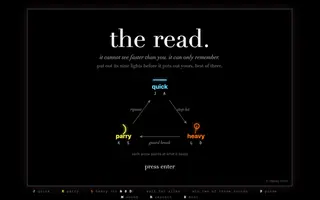


What strikes us about the shelf below is how little of it is generic. There is a game about a Boston commute, one about the last night shift at a museum, one about keeping a cactus alive through a New England winter, one about an inbox. Students were told that the generic ideas are generic because the machine has seen a million of them — and that if a concept could have been generated without them in the room, they should keep going. These are what came back.
Each game came with an artist’s statement, in which its author argued for the choices they made and for how much of the work they consider their own. Open any game below to read its statement beside it.